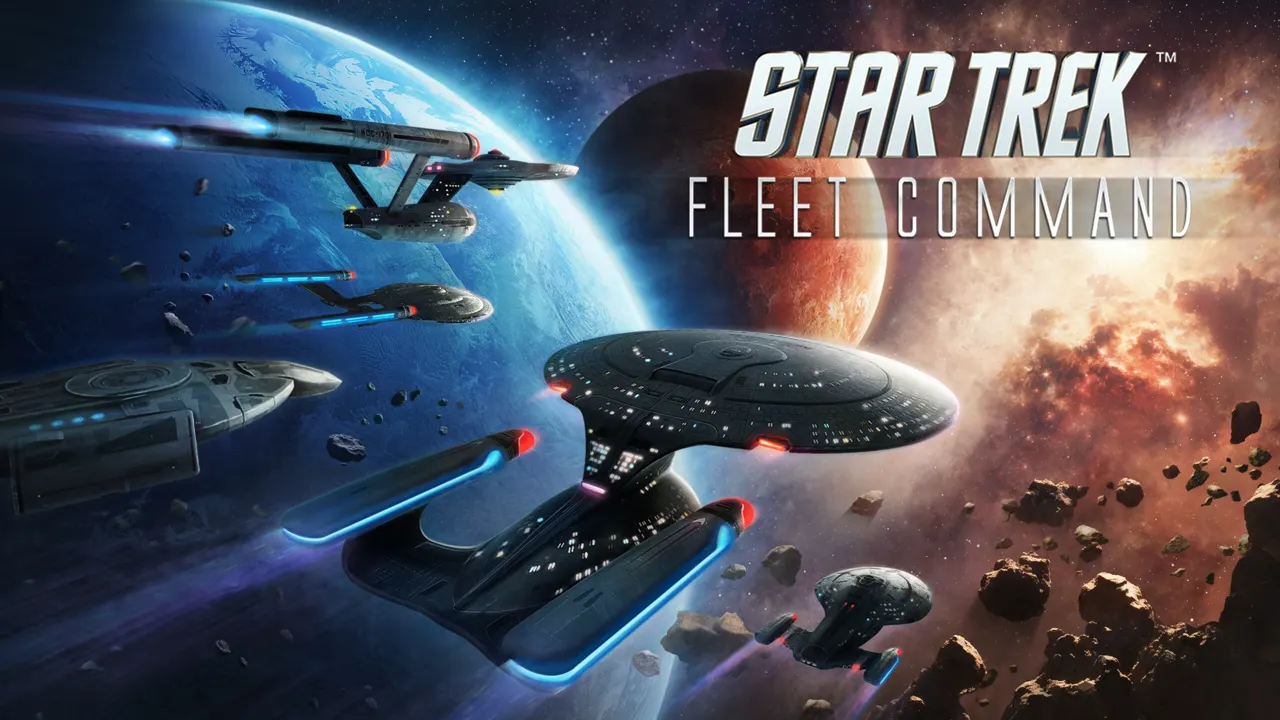


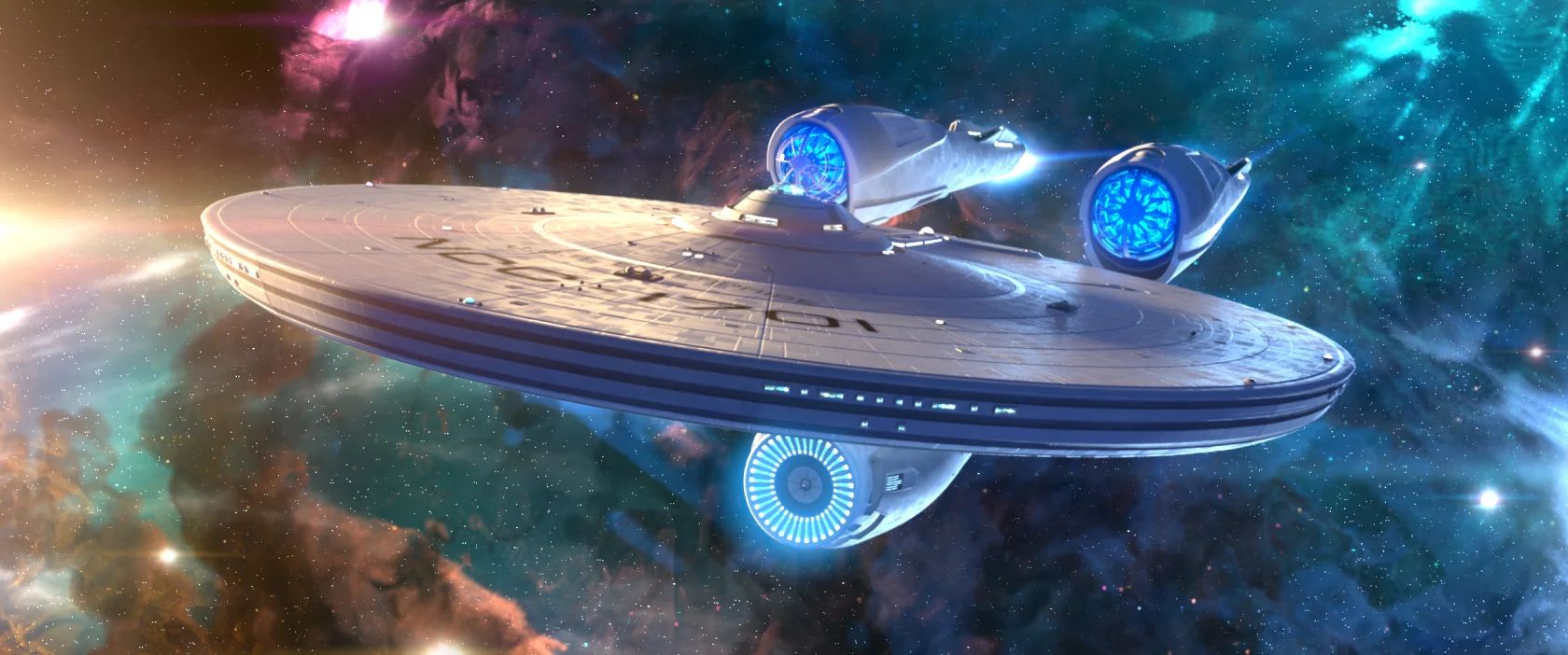
Star Trek Fleet Command (STFC) looks like a licensed tie in, but underneath it is a full 4X strategy MMO cut from the same cloth as Game of War: a persistent galaxy, real players around you, and a base building economy that runs on patience. You start with one station and a couple of ships. Over time the game hands you a growing fleet, an officer roster drawn from across Trek canon, and plenty of ways to lose all of it if you get impatient. This guide covers the three things beginners consistently get wrong: base development, ship roles, and how to stop being target practice.
Build the Base in the Right Order
Your station is the heart of the whole account. Almost every upgrade you want, whether that is better ships, faster research, or higher resource caps, flows out of your station level and the buildings inside it. The temptation is to shove that station level as high as it will go. Do not.
Keep your buildings balanced rather than lopsided. A high station level sitting on top of undeveloped resource and research buildings just turns you into a fat, undefended target. Level your resource generators, storage, and the Academy for research roughly in step with the station itself.
Priorities for your opening days:
- Upgrade resource production and storage early. Parsteel, tritanium, and dilithium feed every upgrade you will ever want. Running dry constantly is the number one beginner bottleneck.
- Do not neglect the Research lab. Research permanently boosts mining rates, combat stats, and efficiency. It is slow, but it compounds. Start it early and keep it running.
- Clear the Daily Goals and missions. They are the fastest and safest source of resources and blueprints in the early game. Treat them as your list for the day.
Set every long timer, upgrades and research both, before you log off so the game keeps working while you sleep.
Know What Each Ship Is Actually For
STFC ships come in three combat archetypes locked into a rock paper scissors triangle, plus dedicated miners. Learning that triangle is the line between winning fights and rage quitting:
- Interceptors beat Battleships
- Battleships beat Explorers
- Explorers beat Interceptors
Attack with the ship type that counters theirs and you will win fights you had no business winning. Attack into your own counter and you lose ships that took you days to build.
Past the triangle:
- Survey and mining ships gather resources. They do not fight. Never send a miner into contested space without cover.
- Match the ship to the job. Combat ships farm hostiles for loot and XP. Miners sit on resource nodes. Do not mix the two up.
- Your early workhorses, meaning the ECS Fortunate for mining and the faction ships from the Federation, Klingon, and Romulan lines, carry you a long way. Pick one faction lane and invest in it instead of spreading across all three.
Officers matter as much as hulls. The right bridge crew swings combat and mining efficiency hard, so assign officers deliberately rather than dumping in whoever has the highest rarity.
Staying Alive: PvP and Protection
STFC is a persistent MMO, so other real players can attack you, and eventually somebody will. The good news is that the game hands you the tools to stay safe if you bother to use them.
- Peace Shield and station protection. Turn a protective shield on before you log off so nobody can raid you while you are away. Forgetting this is how beginners lose a full night of resources.
- Do not sit on huge stockpiles. Raiders scan for full warehouses. Spend resources on upgrades as you earn them, because parked resources are stolen resources.
- Watch where your ships are parked. Ships left idle in open space, miners especially, are free kills. Dock them or protect them.
- Read the room before you attack. Check the enemy ship type and power level before you engage. STFC shows you enough to make an informed call, so make it.
Join a Strong Alliance on Day One
This is the single most useful thing a new player can do. An Alliance gives you:
- Reinforcement resources from members to speed your upgrades along.
- Protection. Attacking one member risks retaliation from the whole alliance.
- Help requests that shave time off your build and research timers.
- Access to territory, events, and coordinated play that you simply cannot reach solo.
Find an active, friendly alliance in a decent system and join early. A helpful alliance will teach you more in a week than any guide will.
Your Opening Week, Step by Step
- Level your station, but keep resource, storage, and research buildings in step with it.
- Clear Daily Goals and story missions for resources and blueprints.
- Learn the Interceptor, Battleship, and Explorer counter triangle cold.
- Join an active alliance on day one.
- Shield your station and dock your ships before logging off.
- Keep research running around the clock.
Where That Leaves You
Star Trek Fleet Command rewards steady, deliberate players and punishes people in a hurry. Build a balanced base, respect the ship counter triangle, protect yourself when you are offline, and above all get into a good alliance. Do those four things and you go from easy prey to a captain other players think twice about. The galaxy is unforgiving, but it is yours to take, one upgrade timer at a time.

John writes guides for PerfoGames. He plays what he covers and only prints advice that survived a real session. Edited by Lucas.